Ban Boet: 最近的海滩 - 110 公里 范围内 56
哈姆雷特, 班武里府, 泰国
主要功能: 如画, 悬崖, 自然阴影
在地图上查看 56 个海滩
地图模式包含更多海滩、周边酒店价格,以及海滩类型、沙滩材质、拥挤程度和配套设施等筛选条件。
打开地图
搜索半径
更改半径
范围内的所有海滩 110 公里 从 中心
显示 18 / 共 56
在110公里内


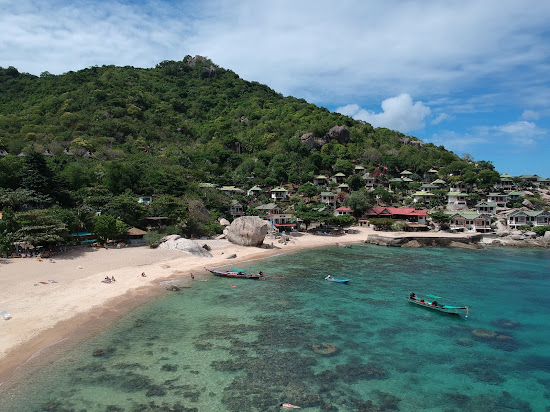
Aow June Juea
109.2 公里 距中心 Ban Boet
仅限酒店客人
酒店海滩
适合皮划艇
易于访问
米色沙子
沙质海底

It's a beautiful beach with great weather, but you need to be a fairly good driver to get there because the road is steep. However, it's well worth the drive once you get there.




适合派对爱好者
Ao Tanote Beach
108.4 公里 距中心 Ban Boet
适合悬崖跳水
摩托艇租赁
设施齐全的海滩
公共海滩
适合皮划艇
大潮汐区


适合放松


适合儿童
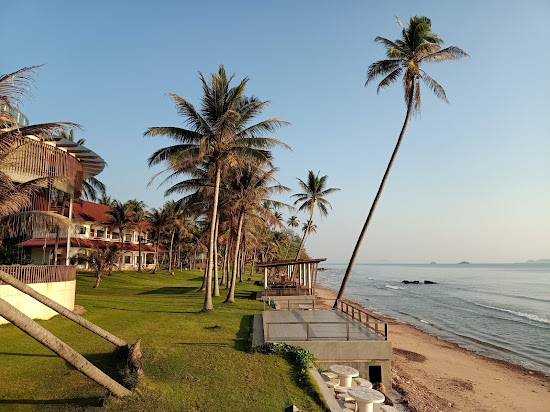
Thung Yang Beach
12.6 公里 距中心 Ban Boet
风筝或帆板冲浪
适合悬崖跳水
水上活动租赁
适合游泳
适合皮划艇
大潮汐区


It's a beautiful and clean place.
There are hiking trails and viewpoints.
There are restaurants, making it ideal for a peaceful getaway. Parking might be limited, but it's not crowded.



适合儿童
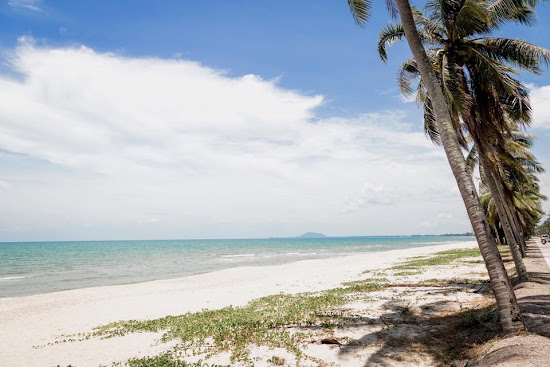
Bansaithong Beach
0.4 公里 距中心 Ban Boet





适合儿童
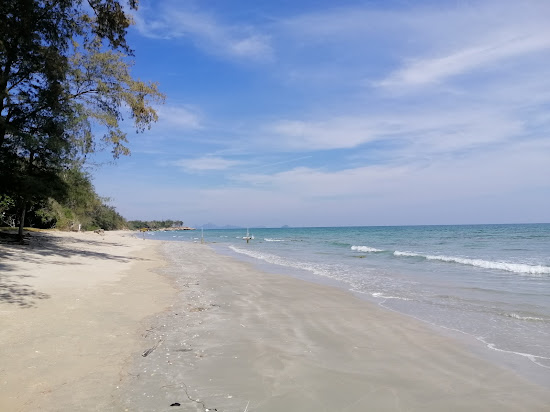
Baan Krood Beach
38.1 公里 距中心 Ban Boet
适合皮划艇
适合游泳
设施齐全的海滩
公共海滩
当季拥挤
大潮汐区




适合放松
Hat Wanakorn Beach
75.2 公里 距中心 Ban Boet
仅付费入口
海滩浴场
摩托艇租赁
清澈的绿松石色水
当季拥挤
大潮汐区

The atmosphere is amazing! There are camping spots and bungalows. It's quiet and peaceful, perfect for relaxation ✨

The beach is beautiful and peaceful. There was a constant breeze when I visited, making it very relaxing.


Sai Nuan Beach
108.5 公里 距中心 Ban Boet
水上活动租赁
仅限酒店客人
酒店海滩
易于访问
米色沙子
沙质海底


Sai Nuan Beach
108.4 公里 距中心 Ban Boet
适合游泳
如画
设施齐全的海滩
公共海滩
当季拥挤
大潮汐区


Having the beach all to yourself early in the morning is pure luxury. The only downside is you need to bring water shoes. But the snorkeling is fantastic.


老年人友好
Ao Yai Ai Beach
29.7 公里 距中心 Ban Boet
适合SUP
清澈的绿松石色水
设施齐全的海滩
米色沙子
易于访问
大潮汐区


The entrance is private property. The beach is beautiful, with fine sand and crystal-clear water. There are no crowds, so it's safe.


适合儿童
Chalok baan kao bay
109.4 公里 距中心 Ban Boet
适合SUP
设施齐全的海滩
公共海滩
适合皮划艇
当季拥挤
大潮汐区

Worst beach I've ever seen! Full of trash, the water's warm, packed with fishing boats… Simply AWFUL!


适合儿童
Sairee Beach
106.7 公里 距中心 Ban Boet
适合潜水
摩托艇租赁
适合SUP
设施齐全的海滩
当季拥挤
大潮汐区

Ethan Parker
新手海滩游客
这个海滩是观赏令人惊叹的日落的完美地点。最佳参观时间是下午5点至7点,此时天空被涂上了充满活力的橙色和粉色。海滩拥有众多精美的酒吧和餐厅,提供日落的风景如画的景色。在享受迷人的日落景色的同时,尽情享受美食。这个海滩是逃离日常生活喧嚣的理想之地,提供宁静的氛围,一定会让您感到焕发活力。

Beautiful beach with lots of shops and restaurants right next to it. Can be a perfect place to watch the sunset.


适合放松
Lok Kam Bay Beach
91.3 公里 距中心 Ban Boet
如画
偏僻位置
适合浮潜
自然海滩(无设施)
清澈的绿松石色水
大潮汐区

罗卡姆湾和整个半岛都很惊人。沙滩本身非常宜人(除了被冲上岸的垃圾),但真正的乐趣在水下。两侧的岩石上有很多鱼,巨大的金枪鱼、梭鱼、石斑鱼、枪鱼、巴拉木迪。这是一次野生的浮潜探险。

The atmosphere is great, the sea is beautiful, and the water is clear. It's perfect for bringing friends to enjoy the view.


适合派对爱好者
Sairee Beach
71 公里 距中心 Ban Boet
摩托艇租赁
适合SUP
适合皮划艇
清澈的绿松石色水
设施齐全的海滩
大潮汐区

Definitely, Sairee Beach in Chumphon is another great tourist attraction in Chumphon, especially during the snorkeling season.

Ava Roadsters
新手海滩游客
这个海滩是一颗真正的宝石,远离了困扰其他岛屿目的地的垃圾和废物。它真的很令人印象深刻,拥有令人惊叹的景色和难以超越的宁静氛围。此外,住宿和餐饮方面有很多经济实惠的选择,所以您不必花费太多钱就可以享受这个小天堂。总的来说,它是对占据旅游景点的过度拥挤和过高价格的海滩的一种清新变化。


适合放松
Bangburd Beach
1.2 公里 距中心 Ban Boet
设施齐全的海滩
公共海滩
清澈的绿松石色水
易于访问
步行距离短
当季拥挤

The beach is worth visiting. If you're going to the Songkran festival, you should find an opportunity to go when there's no official event.


适合放松
HuayYang Beach II
68.9 公里 距中心 Ban Boet
设施齐全的海滩
公共海滩
清澈的绿松石色水
易于访问
步行距离短
当季拥挤

We stopped in for a cocktail in the evening, it was delicious!
Great atmosphere, attentive service.

The food is delicious, fresh, clean, and the portions are large. The atmosphere is relaxing, right by the sea. They offer both food and drinks. The staff provides excellent service.


Lok Phae Beach
91.9 公里 距中心 Ban Boet
浑浊的绿松石色水
设施齐全的海滩
米色沙子
易于访问
沙质海底
大潮汐区

Naphida Sukhothai
新手海滩游客
这个海滩位于一个舒适的海湾,由公园官员负责管理。该地区得到了员工的良好维护和改善。此外,海滩拥有金色的沙滩。

Enjoy the natural beauty of this beach. It's beautiful, peaceful, not crowded, and still very natural.



老年人友好
Tham Thong-Bang Boet Beach
7.2 公里 距中心 Ban Boet
清澈的绿松石色水
设施齐全的海滩
米色沙子
易于访问
沙质海底
大潮汐区

The beach is beautiful, with fine white sand and clear water. There aren't many people around, so it's very peaceful.

活跃筛选:
重置全部
最佳海滩
显示 18 / 共 31
在110公里内
Aow June Juea
109.2 公里 距中心 Ban Boet
仅限酒店客人
酒店海滩
适合皮划艇
易于访问
米色沙子
沙质海底
It's a beautiful beach with great weather, but you need to be a fairly good driver to get there because the road is steep. However, it's well worth the drive once you get there.
适合派对爱好者
Ao Tanote Beach
108.4 公里 距中心 Ban Boet
适合悬崖跳水
摩托艇租赁
设施齐全的海滩
公共海滩
适合皮划艇
大潮汐区
适合放松
适合儿童
Thung Yang Beach
12.6 公里 距中心 Ban Boet
风筝或帆板冲浪
适合悬崖跳水
水上活动租赁
适合游泳
适合皮划艇
大潮汐区
It's a beautiful and clean place.
There are hiking trails and viewpoints.
There are restaurants, making it ideal for a peaceful getaway. Parking might be limited, but it's not crowded.
适合儿童
Bansaithong Beach
0.4 公里 距中心 Ban Boet
适合儿童
Baan Krood Beach
38.1 公里 距中心 Ban Boet
适合皮划艇
适合游泳
设施齐全的海滩
公共海滩
当季拥挤
大潮汐区
适合放松
Hat Wanakorn Beach
75.2 公里 距中心 Ban Boet
仅付费入口
海滩浴场
摩托艇租赁
清澈的绿松石色水
当季拥挤
大潮汐区
The atmosphere is amazing! There are camping spots and bungalows. It's quiet and peaceful, perfect for relaxation ✨
The beach is beautiful and peaceful. There was a constant breeze when I visited, making it very relaxing.
Sai Nuan Beach
108.5 公里 距中心 Ban Boet
水上活动租赁
仅限酒店客人
酒店海滩
易于访问
米色沙子
沙质海底
Sai Nuan Beach
108.4 公里 距中心 Ban Boet
适合游泳
如画
设施齐全的海滩
公共海滩
当季拥挤
大潮汐区
Having the beach all to yourself early in the morning is pure luxury. The only downside is you need to bring water shoes. But the snorkeling is fantastic.
老年人友好
Ao Yai Ai Beach
29.7 公里 距中心 Ban Boet
适合SUP
清澈的绿松石色水
设施齐全的海滩
米色沙子
易于访问
大潮汐区
The entrance is private property. The beach is beautiful, with fine sand and crystal-clear water. There are no crowds, so it's safe.
适合儿童
Chalok baan kao bay
109.4 公里 距中心 Ban Boet
适合SUP
设施齐全的海滩
公共海滩
适合皮划艇
当季拥挤
大潮汐区
Worst beach I've ever seen! Full of trash, the water's warm, packed with fishing boats… Simply AWFUL!
适合儿童
Sairee Beach
106.7 公里 距中心 Ban Boet
适合潜水
摩托艇租赁
适合SUP
设施齐全的海滩
当季拥挤
大潮汐区
Ethan Parker
新手海滩游客
这个海滩是观赏令人惊叹的日落的完美地点。最佳参观时间是下午5点至7点,此时天空被涂上了充满活力的橙色和粉色。海滩拥有众多精美的酒吧和餐厅,提供日落的风景如画的景色。在享受迷人的日落景色的同时,尽情享受美食。这个海滩是逃离日常生活喧嚣的理想之地,提供宁静的氛围,一定会让您感到焕发活力。
Beautiful beach with lots of shops and restaurants right next to it. Can be a perfect place to watch the sunset.
适合放松
Lok Kam Bay Beach
91.3 公里 距中心 Ban Boet
如画
偏僻位置
适合浮潜
自然海滩(无设施)
清澈的绿松石色水
大潮汐区
罗卡姆湾和整个半岛都很惊人。沙滩本身非常宜人(除了被冲上岸的垃圾),但真正的乐趣在水下。两侧的岩石上有很多鱼,巨大的金枪鱼、梭鱼、石斑鱼、枪鱼、巴拉木迪。这是一次野生的浮潜探险。
The atmosphere is great, the sea is beautiful, and the water is clear. It's perfect for bringing friends to enjoy the view.
适合派对爱好者
Sairee Beach
71 公里 距中心 Ban Boet
摩托艇租赁
适合SUP
适合皮划艇
清澈的绿松石色水
设施齐全的海滩
大潮汐区
Definitely, Sairee Beach in Chumphon is another great tourist attraction in Chumphon, especially during the snorkeling season.
Ava Roadsters
新手海滩游客
这个海滩是一颗真正的宝石,远离了困扰其他岛屿目的地的垃圾和废物。它真的很令人印象深刻,拥有令人惊叹的景色和难以超越的宁静氛围。此外,住宿和餐饮方面有很多经济实惠的选择,所以您不必花费太多钱就可以享受这个小天堂。总的来说,它是对占据旅游景点的过度拥挤和过高价格的海滩的一种清新变化。
适合放松
Bangburd Beach
1.2 公里 距中心 Ban Boet
设施齐全的海滩
公共海滩
清澈的绿松石色水
易于访问
步行距离短
当季拥挤
The beach is worth visiting. If you're going to the Songkran festival, you should find an opportunity to go when there's no official event.
Lok Phae Beach
91.9 公里 距中心 Ban Boet
浑浊的绿松石色水
设施齐全的海滩
米色沙子
易于访问
沙质海底
大潮汐区
Naphida Sukhothai
新手海滩游客
这个海滩位于一个舒适的海湾,由公园官员负责管理。该地区得到了员工的良好维护和改善。此外,海滩拥有金色的沙滩。
Enjoy the natural beauty of this beach. It's beautiful, peaceful, not crowded, and still very natural.


适合儿童
Mae Haad Beach
107.4 公里 距中心 Ban Boet
部分属于酒店的海滩
适合潜水
摩托艇租赁
适合皮划艇
小型,部分公用
当季拥挤

Generally okay, but there's little shade in the late afternoon because the harbor is right next door, leaving a constant light film of oil on the water from the boats. Additionally, discarded food (leftover fruit offered to tourists) washes ashore from the boats.
The sunset, however, is well worth it. Therefore, still 4 stars.


适合放松
Pha Daeng beach
5.5 公里 距中心 Ban Boet
棕沙
自然海滩(无设施)
公共海滩
清澈的绿松石色水
易于访问
大潮汐区


These are Pha Fang Daeng / หาดผาแดง — "Red Cliffs" near Sai Thong, Bang Saphan Noi District, Prachuap Khiri Khan Province.
Their red-orange color is primarily due to iron compounds in the heavily weathered coastal soil and rock. In a humid tropical climate, the following occurs:
1. Water gradually leaches out easily soluble components.
2. The iron remains and oxidizes upon contact with air.
3. Iron oxides and hydroxides are formed—primarily hematite, which produces red hues, and goethite, which creates yellow and ochre tones.
4. The material gradually transforms into an iron-rich laterite layer—essentially a natural analogue of rust.
This is why the different layers range in color from light yellow and orange to brick red and dark brown. The more oxidized iron and the better the layer's exposure to air, the more intense the red color.
This is not an ordinary monolithic "cliff." A significant portion of the cliff consists of compacted ancient sediments and lateritized material. Waves from the Gulf of Thailand erode the base, while heavy rains and sea winds erode the upper portion, creating vertical furrows, ledges, and a layered pattern. Local descriptions indicate that the red coastal strata formed and eroded over a very long period of time; the cliff's height in places reaches approximately 20–30 meters.
After rain, the red color usually appears especially vivid: the damp surface scatters less light. At dawn and before sunset, warm lighting further enhances the orange-red hues. This means that photographs sometimes appear more saturated than the cliffs at midday.
Approaching the cliff face directly is not advisable: the material is relatively loose, the shoreline is actively eroding, and chunks of soil and rocks may fall from above. It is best to visit during low tide.
活跃筛选:
重置全部
人少的海滩
显示 6 / 共 8
在110公里内


适合放松
Sandy Beach
10.1 公里 距中心 Ban Boet
自然海滩(无设施)
僻静
清澈的绿松石色水
米色沙子
易于访问
大潮汐区
The beach looks deserted and there's a lot of trash. The view is actually beautiful. There are only a few parking spaces. It needs improvement.


适合放松
Thung San Beach I
27.9 公里 距中心 Ban Boet


适合放松
Don Samran Beach
31.6 公里 距中心 Ban Boet
自然海滩(无设施)
僻静
适合游泳
公共海滩
清澈的绿松石色水
大潮汐区



适合放松
Ao Bo Mao Bay Beach
37.4 公里 距中心 Ban Boet
僻静
清澈的绿松石色水
设施齐全的海滩
米色沙子
易于访问
大潮汐区

Peaceful, not many tourists. The sunrise is right on the beach. A 30-minute boat ride to Koh Khai for snorkeling. The people are friendly. 😁🙏🏻 …

A little paradise for those who love peace and quiet. However, beware of sand flies. Protection is essential. Small resorts line the beach. Absolute tranquility!



适合放松
Ao Thung Makham Beach
76.5 公里 距中心 Ban Boet
僻静
适合皮划艇
清澈的绿松石色水
设施齐全的海滩
米色沙子
大潮汐区


Sarinya Thongchai.
新手海滩游客
这个海滩拥有金色的沙子,是一个风景如画的地方,可以放松身心,享受阳光。此外,这个目的地的价格实惠和友好的当地人民营造了一个热情好客的氛围。


适合放松
Lighthouse Beach
104.4 公里 距中心 Ban Boet
自然海滩(无设施)
僻静
公共海滩
可乘船抵达
米色沙子与岩石
沙石海底


Nice hike vor 100 baht
But Not worth it. I never saw auch a dirty Bay and beach. Everything really covered and I'm tolerant.
A Lot of Glas as well
活跃筛选:
重置全部
高度清洁
显示 6 / 共 14
在110公里内


适合儿童




适合儿童


适合放松
适合放松
Thung San Beach I
27.9 公里 距中心 Ban Boet
适合放松
Don Samran Beach
31.6 公里 距中心 Ban Boet
自然海滩(无设施)
僻静
适合游泳
公共海滩
清澈的绿松石色水
大潮汐区
适合儿童
Baan Krood Beach
38.1 公里 距中心 Ban Boet
适合皮划艇
适合游泳
设施齐全的海滩
公共海滩
当季拥挤
大潮汐区
活跃筛选:
重置全部
自然海滩
显示 6 / 共 21
在110公里内
适合儿童
Bansaithong Beach
0.4 公里 距中心 Ban Boet
适合放松
Pha Daeng beach
5.5 公里 距中心 Ban Boet
棕沙
自然海滩(无设施)
公共海滩
清澈的绿松石色水
易于访问
大潮汐区
These are Pha Fang Daeng / หาดผาแดง — "Red Cliffs" near Sai Thong, Bang Saphan Noi District, Prachuap Khiri Khan Province.
Their red-orange color is primarily due to iron compounds in the heavily weathered coastal soil and rock. In a humid tropical climate, the following occurs:
1. Water gradually leaches out easily soluble components.
2. The iron remains and oxidizes upon contact with air.
3. Iron oxides and hydroxides are formed—primarily hematite, which produces red hues, and goethite, which creates yellow and ochre tones.
4. The material gradually transforms into an iron-rich laterite layer—essentially a natural analogue of rust.
This is why the different layers range in color from light yellow and orange to brick red and dark brown. The more oxidized iron and the better the layer's exposure to air, the more intense the red color.
This is not an ordinary monolithic "cliff." A significant portion of the cliff consists of compacted ancient sediments and lateritized material. Waves from the Gulf of Thailand erode the base, while heavy rains and sea winds erode the upper portion, creating vertical furrows, ledges, and a layered pattern. Local descriptions indicate that the red coastal strata formed and eroded over a very long period of time; the cliff's height in places reaches approximately 20–30 meters.
After rain, the red color usually appears especially vivid: the damp surface scatters less light. At dawn and before sunset, warm lighting further enhances the orange-red hues. This means that photographs sometimes appear more saturated than the cliffs at midday.
Approaching the cliff face directly is not advisable: the material is relatively loose, the shoreline is actively eroding, and chunks of soil and rocks may fall from above. It is best to visit during low tide.


适合放松


适合放松
Sandy Beach
10.1 公里 距中心 Ban Boet
自然海滩(无设施)
僻静
清澈的绿松石色水
米色沙子
易于访问
大潮汐区
The beach looks deserted and there's a lot of trash. The view is actually beautiful. There are only a few parking spaces. It needs improvement.
适合儿童
Thung Yang Beach
12.6 公里 距中心 Ban Boet
风筝或帆板冲浪
适合悬崖跳水
水上活动租赁
适合游泳
适合皮划艇
大潮汐区
It's a beautiful and clean place.
There are hiking trails and viewpoints.
There are restaurants, making it ideal for a peaceful getaway. Parking might be limited, but it's not crowded.
活跃筛选:
重置全部
沙滩
显示 6 / 共 48
在110公里内
适合儿童
Bansaithong Beach
0.4 公里 距中心 Ban Boet
适合放松
Bangburd Beach
1.2 公里 距中心 Ban Boet
设施齐全的海滩
公共海滩
清澈的绿松石色水
易于访问
步行距离短
当季拥挤
The beach is worth visiting. If you're going to the Songkran festival, you should find an opportunity to go when there's no official event.
老年人友好
Tham Thong-Bang Boet Beach
7.2 公里 距中心 Ban Boet
清澈的绿松石色水
设施齐全的海滩
米色沙子
易于访问
沙质海底
大潮汐区
The beach is beautiful, with fine white sand and clear water. There aren't many people around, so it's very peaceful.
适合放松
适合放松
Sandy Beach
10.1 公里 距中心 Ban Boet
自然海滩(无设施)
僻静
清澈的绿松石色水
米色沙子
易于访问
大潮汐区
The beach looks deserted and there's a lot of trash. The view is actually beautiful. There are only a few parking spaces. It needs improvement.
活跃筛选:
重置全部
浮潜海滩
显示 6 / 共 22
在110公里内
适合儿童
适合儿童
Thung Yang Beach
12.6 公里 距中心 Ban Boet
风筝或帆板冲浪
适合悬崖跳水
水上活动租赁
适合游泳
适合皮划艇
大潮汐区
It's a beautiful and clean place.
There are hiking trails and viewpoints.
There are restaurants, making it ideal for a peaceful getaway. Parking might be limited, but it's not crowded.


适合放松
Pak Khlong Beach
14.4 公里 距中心 Ban Boet
米色沙子与卵石
沙卵石海底
摩托艇租赁
适合SUP
当季拥挤
大潮汐区


The view was absolutely stunning, worth millions! The weather was great too. It's a shame we didn't stay during the evening, as they say the sunset is amazing. We went during lunchtime, so the sun was very bright but there was still a breeze. The drive took a while because of the many curves in the road. They also have camping accommodations available at Ban Koh Tieb.
适合放松
老年人友好
Ao Yai Ai Beach
29.7 公里 距中心 Ban Boet
适合SUP
清澈的绿松石色水
设施齐全的海滩
米色沙子
易于访问
大潮汐区
The entrance is private property. The beach is beautiful, with fine sand and crystal-clear water. There are no crowds, so it's safe.
适合派对爱好者
Sairee Beach
71 公里 距中心 Ban Boet
摩托艇租赁
适合SUP
适合皮划艇
清澈的绿松石色水
设施齐全的海滩
大潮汐区
Definitely, Sairee Beach in Chumphon is another great tourist attraction in Chumphon, especially during the snorkeling season.
Ava Roadsters
新手海滩游客
这个海滩是一颗真正的宝石,远离了困扰其他岛屿目的地的垃圾和废物。它真的很令人印象深刻,拥有令人惊叹的景色和难以超越的宁静氛围。此外,住宿和餐饮方面有很多经济实惠的选择,所以您不必花费太多钱就可以享受这个小天堂。总的来说,它是对占据旅游景点的过度拥挤和过高价格的海滩的一种清新变化。
活跃筛选:
重置全部
设施齐全
显示 6 / 共 33
在110公里内
适合放松
Bangburd Beach
1.2 公里 距中心 Ban Boet
设施齐全的海滩
公共海滩
清澈的绿松石色水
易于访问
步行距离短
当季拥挤
The beach is worth visiting. If you're going to the Songkran festival, you should find an opportunity to go when there's no official event.
老年人友好
Tham Thong-Bang Boet Beach
7.2 公里 距中心 Ban Boet
清澈的绿松石色水
设施齐全的海滩
米色沙子
易于访问
沙质海底
大潮汐区
The beach is beautiful, with fine white sand and clear water. There aren't many people around, so it's very peaceful.
适合放松
适合儿童
Thung Yang Beach
12.6 公里 距中心 Ban Boet
风筝或帆板冲浪
适合悬崖跳水
水上活动租赁
适合游泳
适合皮划艇
大潮汐区
It's a beautiful and clean place.
There are hiking trails and viewpoints.
There are restaurants, making it ideal for a peaceful getaway. Parking might be limited, but it's not crowded.
适合放松
Pak Khlong Beach
14.4 公里 距中心 Ban Boet
米色沙子与卵石
沙卵石海底
摩托艇租赁
适合SUP
当季拥挤
大潮汐区
The view was absolutely stunning, worth millions! The weather was great too. It's a shame we didn't stay during the evening, as they say the sunset is amazing. We went during lunchtime, so the sun was very bright but there was still a breeze. The drive took a while because of the many curves in the road. They also have camping accommodations available at Ban Koh Tieb.


适合派对爱好者
ThungMaHa Beach
16.9 公里 距中心 Ban Boet
深蓝色的水
设施齐全的海滩
米色沙子
易于访问
不宜游泳
大潮汐区


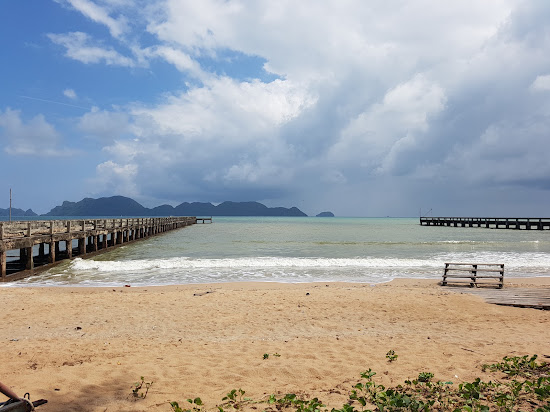
并不是很干净和舒适。
海滩上到处都是塑料,没有人去捡起来。那里的水非常浑浊。
业主有点古怪,要的钱太多了。我想他应该知道他是这个地区唯一的住宿…很抱歉,但这很悲哀。
隔壁的烧烤餐厅很不错。
这是我唯一能推荐的事情。